
Why Does the Climate Crisis Exhaust Our Minds So Much?
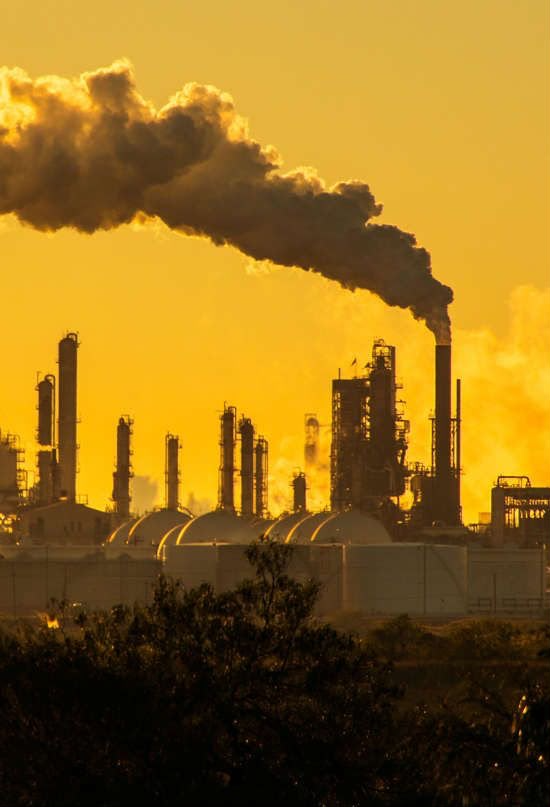
The human mind has never liked uncertainty. That is why wars, pandemics, and economic crises have changed not only living conditions, but also people's mental states. Because not knowing what will happen is often more exhausting than receiving bad news.
The impact of the climate crisis on mental health begins right here. We used to have a rough sense of how long summer would last, when rain would fall, or how the seasons would unfold. Today, we can experience oppressive heat one day and hail the next. Every summer, questions like "Will there be major wildfires again this year?" or "Will water scarcity reach our doorstep?" cross our minds more often.
And this uncertainty is not limited to the city we live in. A flood alert on our phone, images of a forest fire in another country, or reservoirs emptied by drought keep sending our brain the same message: the world is no longer as predictable as it once was.
In psychology, we know that situations we cannot control and whose end we cannot foresee are among the factors that increase anxiety the most. This is also what sets the climate crisis apart from other crises. It has neither a clear beginning nor an end we can point to and say, "It will be over by this date." For this reason, many people carry a constant low-level tension without even realizing it; they feel more worry when planning for the future and begin to rethink having children, the city they will live in, or even their daily habits.
Perhaps that is why viewing the climate crisis only as an environmental issue falls short. It is also a story of the human mind living with uncertainty. And psychology tells us an important truth: it may not be possible to eliminate anxiety entirely. But making sense of it, directing it toward areas we can control, and continuing to live despite uncertainty are among the strongest skills for protecting mental health.