Weren't We Supposed to Have Everything Figured Out?
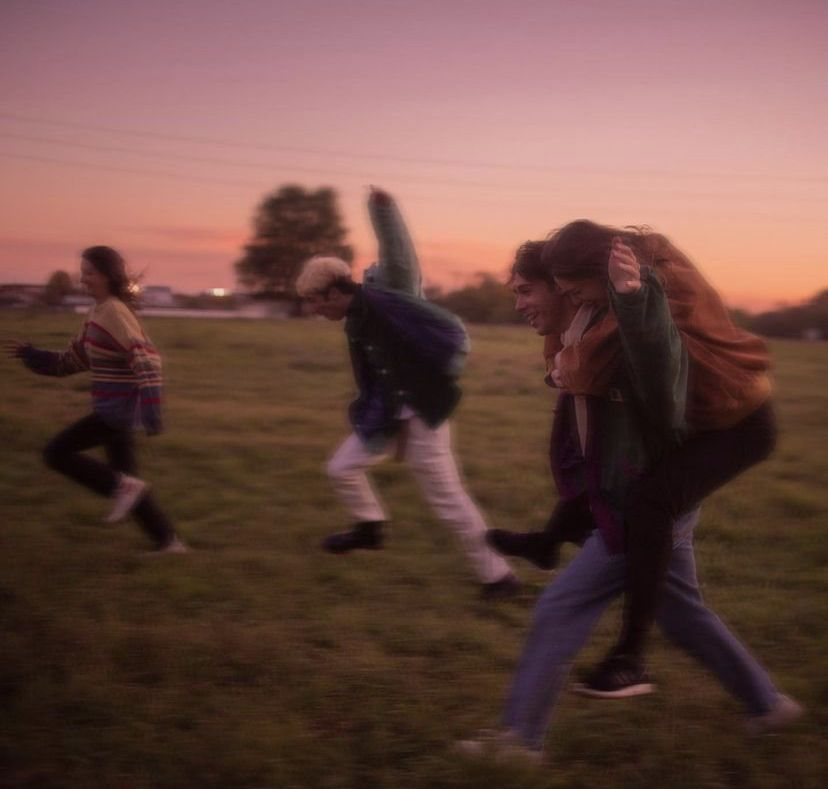
Somewhere along the way, we were told that our thirties meant having everything figured out. We were supposed to become people who knew what they wanted, had settled into their careers, put their relationships in order, and taken firm hold of the steering wheel of their lives.
But real life rarely works that way.
Our thirties are often not the period when everything becomes clear, but when we start asking ourselves more questions. On one hand, you look back and wonder what your life would have been like if you had made different choices; on the other, you wrestle with the uncertainties ahead.
Perhaps this decade is less about finding what you want and more about understanding what you do not want. As options that once seemed endless fall away one by one, what remains can feel less like great freedom and more like great responsibility. Because to choose is also to say goodbye to certain possibilities.
And then there is that familiar inner voice.
The one that appears when you think about a new beginning, imagine changing direction, or simply wonder whether a different life is possible:
"It's too late now."
Yet when we look back, most of the important turning points in our lives were not planned. What changes us is usually not what we calculated at length, but the small steps we find the courage to take. Sometimes a new friendship, sometimes an unexpected decision, sometimes letting go of something we had held onto for years.
And as we grow older, we also realize that some things are more complicated than we thought.
As children and in our early twenties, many things seemed clearer. There were right decisions and wrong ones. Over time, you understand that life is not so black and white.
Sometimes you do not know what the right decision is. Sometimes both options seem good, or both seem bad. And often, moving forward is possible not because you are certain, but because you choose to act despite the uncertainty.
Perhaps what is difficult is not uncertainty itself. It is believing that everything should have become clear by now.
Our thirties may be the age when you realize not that you are lost, but that the old maps no longer work. And sometimes, to find a new direction, you first need to stop and look at yourself honestly.
Perhaps our thirties are not the period when you find your path completely, but when you begin to hear your own voice more clearly. The period when you learn that you do not have to have everything solved, and that changing direction can also count as moving forward.
And I think the most comforting part is this:
No one knows exactly what they are doing.
We are all trying a little, getting it wrong a little, and learning along the way.