
Electronic Music's Quiet Code: 5:46
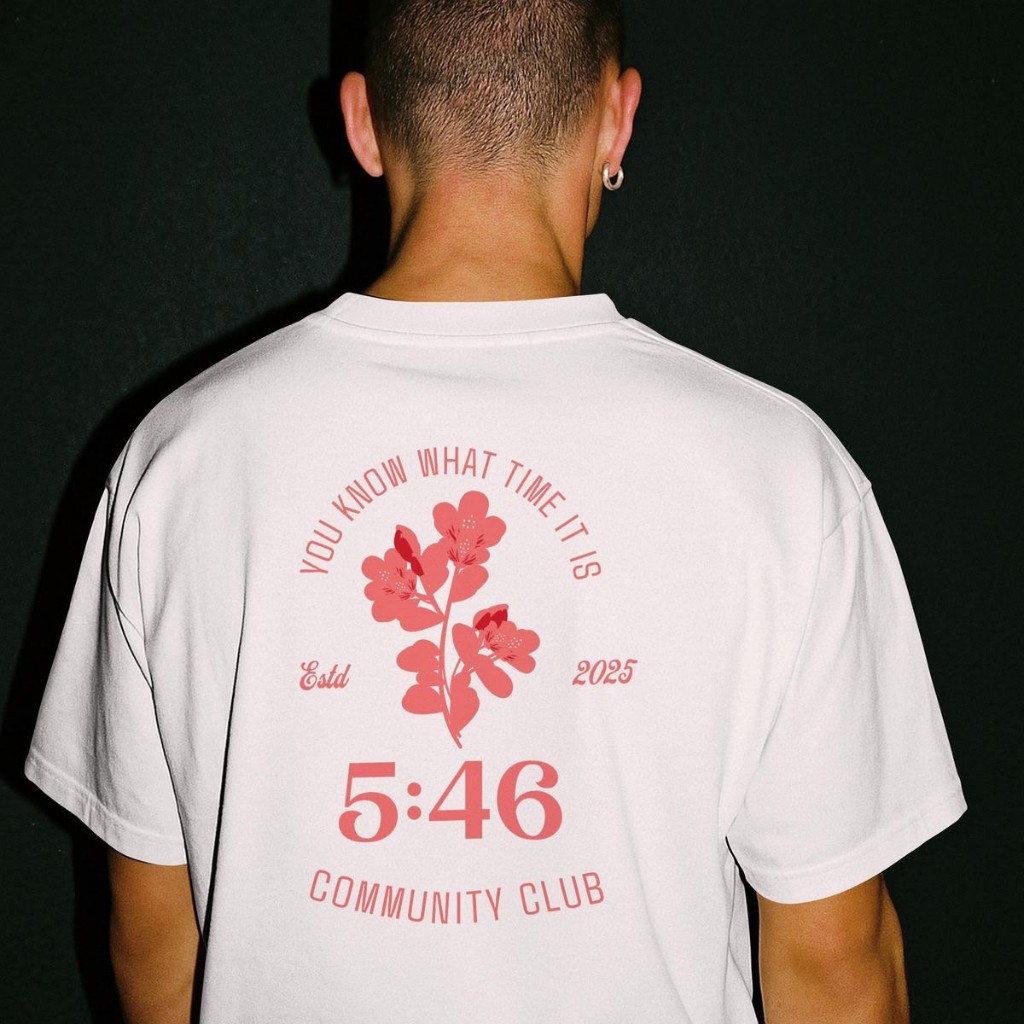
How does a specific second in a song become a cultural symbol?
Innerbloom is no longer just a song. It is the collective memory of certain moments, feelings, and emotions.
Released by RÜFÜS DU SOL in 2015, Innerbloom means "inner blooming" or "opening outward from within." The concept symbolizes a person turning inward, completing their emotional maturity, and moving into a phase of awakening by accepting their vulnerabilities. The transformation of a seed into a magnificent flower — and the heavy emotional weight behind it...
The song's lyrics carry fairly simple repetitions. Yet, much like the mantra teachings in Buddhism, it finds rebirth within the ordinary — in not knowing the value of the moments we live while always thinking about the future. Moments whose worth went unnoticed in those days hit you deeply when they slip through your fingers. It carries the human desire to connect, the patient waiting in pursuit of love, and the search for unconditional surrender... The will to grow back, stubbornly, from every place that breaks.
The calm and patience in Innerbloom's musical structure defies patterns of fast consumption; it invites people to slow down and listen to themselves. For five minutes the bow is drawn tight, and the moment the vocals reach their peak at 5:46, it goes far beyond a timestamp.
Thousands of people remember, in that second, who they are, what paths they have walked, how to love, how to be loved, and their pain. Less a rebellious ache than the ability to say, "I became who I am through my experiences," and forgive oneself. They remember the principle of hope, again and always.
That is where Innerbloom's success lies.
In rock music, people love a song. In electronic music, people love a moment.
People are not really remembering 5:46; they remember their goodbyes, the moment they embraced a friend, festival closings, sunrises, the soil where they rooted themselves while connecting unconditionally, inexperienced as a seed.
Viewed through the language of the culture industry, this may look like an example of symbolic consumption. But what people buy or etch onto their bodies is not a number — it is the emotions that number represents.
Because for those who know 5:46, it is not merely a timestamp. It is the shared memory of a loss, a friendship, a sunrise, or getting back on your feet.
Perhaps that is why people who have never met, in different parts of the world, wear the same tattoo. Wear the same cap. Wait for the same second.
There is no contract between them. No membership system. Often they do not even know one another.
But they are part of the same silent community.
Perhaps it looks as though people love 5:46.
What they truly love is remembering who they were in that second.
That is why some songs are listened to.
And some are etched into people's skin.