
Why Do People Meet at the Same Table?
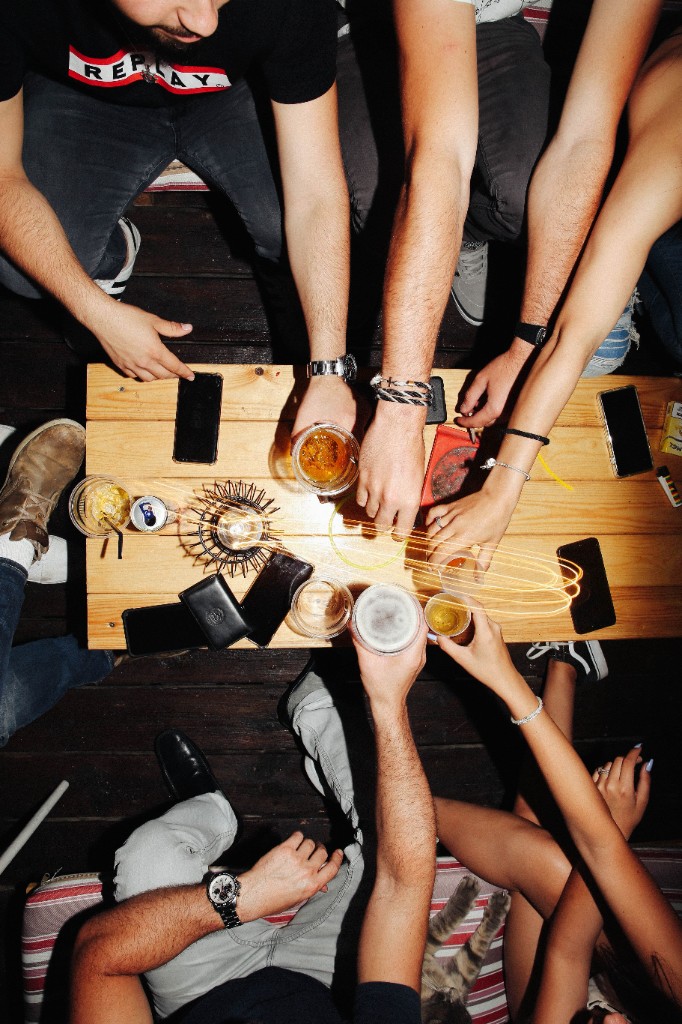
Much has changed throughout human history. Cities grew, technologies advanced, communication went digital, and the way we work transformed. But one habit has remained unchanged: gathering around the same table.
At first glance, what these tables have in common seems to be the cups or glasses resting on them. Yet history tells us something else. People never sat at the same table merely to drink coffee or order a beer. That table has always been a space for conversation, belonging, exchange of ideas, and existing together.
In the Ottoman era, coffeehouses were one of the clearest examples of this. While coffee was still a newly discovered drink, coffeehouses quickly became public spaces where news was shared, poems were read, trade was discussed, and politics was debated. A cup of coffee was often just an excuse for conversation. What truly mattered was that people could gather around the same table.
Perhaps that is why coffeehouses were banned from time to time. Because those in power often fear not what people drink, but what they talk about. Throughout history, public spaces have been not only places of socializing, but also sites where different ideas meet and where dissent often takes root. New ideas are usually born not at grand podiums, but around small tables.
A similar story appears in the pubs of England. A pub is not merely a place to drink beer; it is the neighborhood's meeting point. A shared living space where people shake off the fatigue of the day, argue, laugh, meet, and keep getting to know one another. The cafés of France, too, became a second home for artists, writers, and thinkers over centuries. Different geographies, different drinks... But the same need.
The German philosopher and sociologist Jürgen Habermas defines such spaces as the "public sphere." Common areas that lie between the state and private life, where people can come together as equal individuals, speak, and generate ideas... A society's democratic culture is shaped not only by its institutions, but also by these everyday spaces where people can listen to one another.
Today, the renewed interest in third-wave coffee shops, neighborhood pubs, or small cocktail bars may not be a coincidence. Because modern life pushes us to live more individually with each passing day. We work from home, communicate through screens, and walk among hundreds of people without touching anyone. Perhaps that is why we need physical spaces that make us feel we belong more than ever.
Many people sit for hours with a single cup of coffee. From the outside, it looks as though what they bought is a drink. In reality, what they bought is the right to be there. An environment where no one rushes them, where they can be alone without feeling lonely. A sense of belonging where they can share the same air with strangers and become part of the city's rhythm.
Perhaps that is why a city's soul is hidden not in its tallest buildings, but in the spaces where people can share the same table. Because a table is not merely furniture we place glasses on. It is a small public sphere where friendships begin, ideas clash, shared dreams are built, and thoughts that challenge the existing order find their voice for the first time.
Drinks changed. Coffee sometimes gave way to beer, sometimes to cocktails, sometimes to tea. Spaces changed; coffeehouses, pubs, cafés, and third-wave coffee shops emerged. But the meaning of the table never changed.
Perhaps humanity never truly needed coffee or beer. What it needed was a shared table where it could feel it belonged and share its thoughts.